
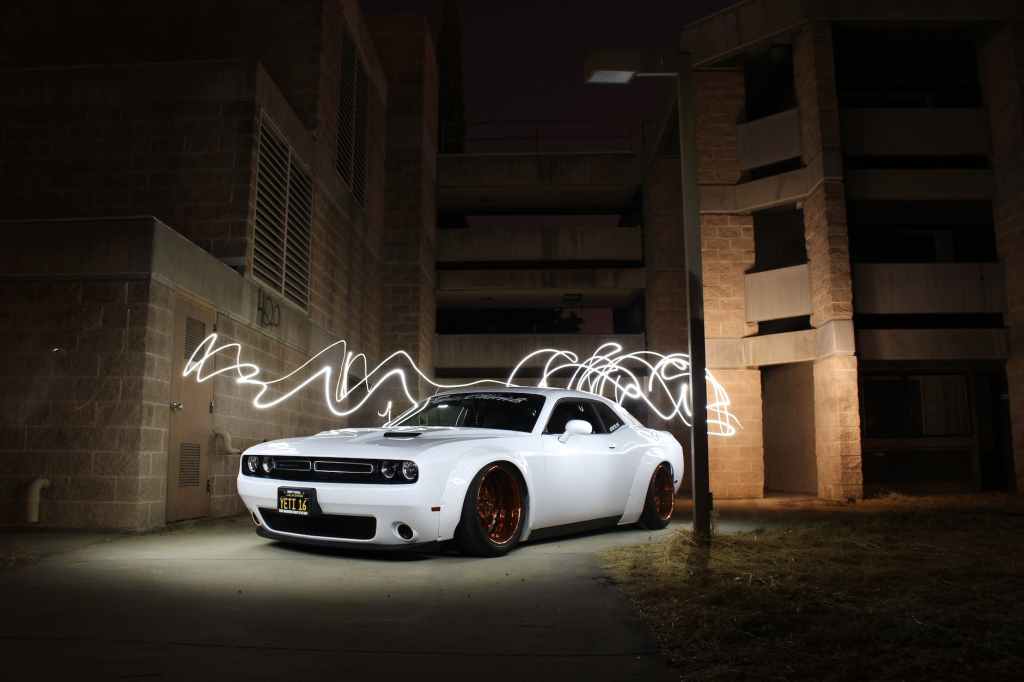
When you think of muscle cars, what comes to mind? Raw power, thunderous engines, and the thrill of the open road, right? These iconic American beasts have been synonymous with speed, power, and freedom for decades. However, in recent years, a shadow of doubt has been cast over their once unassailable reputation. Are modern muscle cars losing their soul? In this article, we’ll explore the changing landscape of muscle cars, dissect the statistics, and dive into the heated debates surrounding their identity and future.
The Glory Days
Muscle cars, the embodiment of power, speed, and freedom. For decades, they dominated the roads, captivating the hearts of car lovers worldwide. But in recent years, whispers of discontent have emerged. Some argue that modern muscle cars have lost their soul, leaving enthusiasts divided and questioning the direction of this iconic automotive segment and favoring other segments like JDM and German which still carry on character and enthusiast-driven culture.
The Changing Landscape
Let’s start by examining the sales figures. In the heyday of muscle cars, classics like the Mustang, Camaro, and Challenger experienced record-breaking sales, with thousands of units flying off dealership lots. In fact, in 1966, Ford saw the Mustang break and hold sales records by selling over 600,000 units in one year. Fast forward to the present day, and the sales landscape has changed dramatically.
Many factors have contributed to this shift. The rise of electric vehicles, changing consumer preferences, and stricter emission regulations have influenced the market. As a result, traditional muscle cars face stiff competition from alternative powertrain technologies and performance-oriented imports.
The Discontent
However, it’s not just the sales numbers that tell the story. Recent surveys reveal a growing discontent among long-time muscle car enthusiasts. As they express disappointment and a sense that modern muscle cars have become mundane, lacking the excitement that once defined them.
So, what exactly has changed? Critics argue that modern muscle cars have succumbed to excessive weight, overly complicated technology, and a focus on creature comforts rather than raw performance. Some even claim that these cars have become more like grand tourers rather than the purebred, fire-breathing machines of the past.
The Horsepower Debate
Now, some of you might be thinking, “But Ricky, the Hellcat boasts an impressive 807 horsepower!” And that’s true, horsepower numbers can be attention-grabbing. However, let’s take a closer look at the bigger picture. You see, horsepower alone doesn’t always translate to superior performance. Take the Porsche 911 GT3 RS, for example. With lower horsepower figures, it manages to outperform many high-powered rivals in various situations. This raises an intriguing question: Is raw horsepower the be-all and end-all of a true driving experience?
It’s essential to recognize that automotive manufacturers are savvy marketers. They understand the allure of big numbers and often use them to captivate potential buyers. But does this mean that they are intentionally playing on the egos of consumers who feel the need to keep up with their neighbors? Well, that’s a matter of interpretation. Instead of getting caught up in the horsepower arms race, it’s crucial to consider the overall performance, handling, and driving dynamics of a muscle car. After all, it’s the combination of these factors that truly define the driving experience.
The Status Symbol Phenomenon
A significant portion of muscle car buyers today prioritize horsepower over the overall driving experience. Many modern muscle car owners admit to rarely pushing their cars to their limits, favoring straight-line acceleration and a commanding status on the road.
This raises an important question: Are modern muscle cars becoming mere status symbols, acquired for their image and prestige rather than a genuine passion for the driving experience? Has the pursuit of power overshadowed the essence of what made muscle cars so captivating in the first place?
The Heated Debates
The clash between traditional enthusiasts and status-driven car buyers has ignited heated debates across online forums and social media platforms. A deep divide exists between those who yearn for the enthusiast’s authenticity and those who buy just to fluff their ego and show off to their friends and neighbors.
A Glimmer of Hope
But amidst this controversy, there is hope on the horizon. Some manufacturers have recognized the need to rekindle the spirit of car enthusiast muscle cars by introducing driver-focused, track-oriented variants. These machines aim to restore the thrill of driving, combining power, agility, and a visceral connection between the car and its driver.
These specialized models represent a glimmer of promise, reminding us that the passion and soul of muscle cars can still be reignited. They demonstrate that it’s not the end of the road for this legendary breed but rather an evolution toward a more engaging and exhilarating driving experience.
Closing Thoughts
So, where does the future of muscle cars lie? Are they destined to fade into obscurity, eclipsed by evolving automotive trends? Or will they rise from the ashes, embracing their heritage while embracing innovation? The answer lies in the hands of enthusiasts like you.
It’s time to join the discussion, voice your opinions, and shape the future of these once-legendary cars. In the comments below, let us know whether you believe modern muscle cars have lost their appeal or if they still possess the heart-pounding, pavement-pounding spirit that we know and love.
Remember, this debate fuels the passion and excitement within the automotive community. Share your thoughts respectfully, engage in healthy conversations, and let’s continue to celebrate the legacy and future of muscle cars together.
Written by Ricky Skids
 Skidded Media
Leave a comment